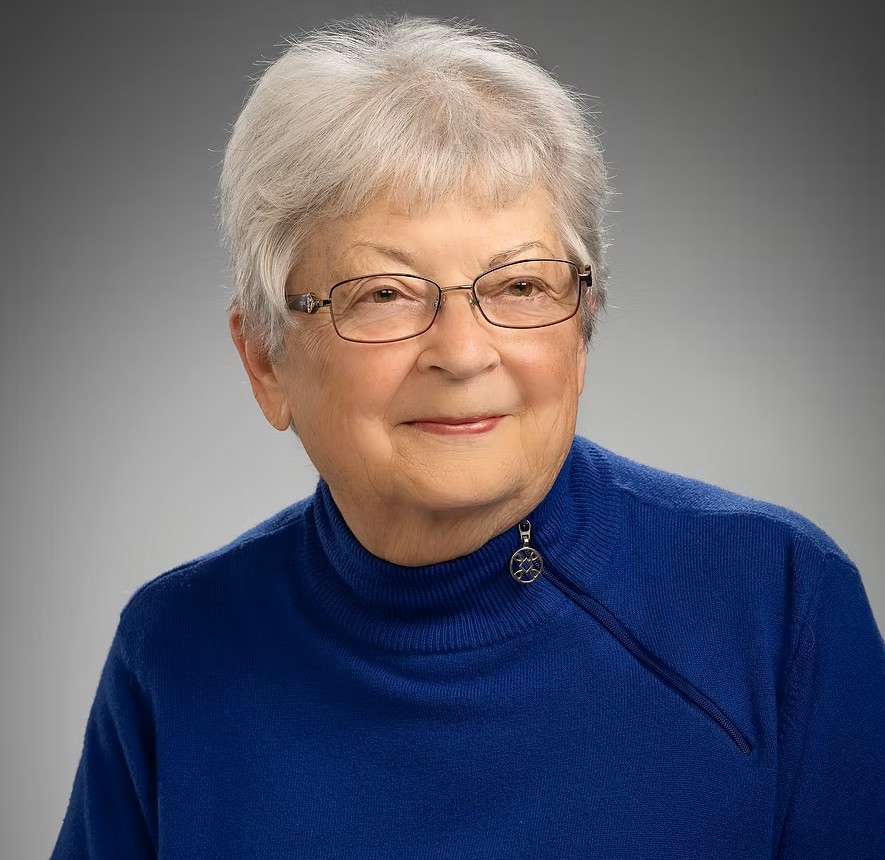
by Phyllis Abbott – Executive Director, Lady Veterans Connect
In 2023, 11 percent of the 17.6 million U.S. veterans were women. This percentage is expected to increase to 18 percent by 2048. The women who volunteer to serve our country set aside years of their lives—often separated from family and friends for extended periods—to defend America. Upon their return to civilian life, some service members transition easily, transferring their skills and experiences seamlessly to civilian jobs and reentering the embrace of their families and communities. However, this is not the case for all women veterans.
Each new year may bring exacerbation of the challenges some of these women face. These include finding a sense of purpose, accessing safe housing, and coping with potential financial and health-related costs of military service. For women veterans in need, these challenges aren’t seasonal; they’re systemic. And in Kentucky, where rural distance and limited services can compound isolation, they add up to a crisis we as neighbors—employers, congregations, and civic leaders—must address together.
Women who serve return home with strength and skills, but many also face responsibilities and wounds that make stability harder to secure. According to a white paper published by Philip Morris International’s U.S. businesses, women veterans face a higher risk of housing instability and homelessness, driven by lower or interrupted income, childcare responsibilities, and physical or mental health needs that complicate employment and reintegration. The U.S. Department of Veteran Affairs found that between 2020 and 2023, homelessness among women veterans rose nearly 24 percent nationwide.
At Lady Veterans Connect (LVC), we empower women veterans by providing safe housing, healing resources, and supportive programs that foster hope, independence, and community. Through this work, we know that behind every statistic is a story—and Rhonda’s story reminds us why support for women veterans matters.
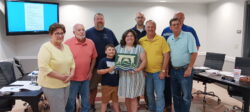
Rhonda came to LVC in March of last year. She told us she was sleeping in the woods behind a fast-food restaurant, cold and hungry. We brought her to Anna’s House, our transitional home for women veterans. At intake, she was blind in one eye and had only 40% vision in the other. Over the next few months, stabilized by food, warmth, and community, she began to rebuild. She eventually transitioned into her own place. Then, her vision failed completely. The VA awarded 100% disability and unemployable status and back pay that finally enabled her to secure safe housing. When those funds arrived, Rhonda turned back to help others: she donated $20,000 to launch LVC’s cottage fund, telling us she wanted other women veterans—especially those with children—to have a safe place to heal. Her gift is both a testament to resilience and a call to conscience: stability isn’t charity; it’s reciprocity from a community that recognizes service.
At Lady Veterans Connect, we are working to meet the unique needs of women veterans head-on. Our residential program provides up to a year of community housing, counseling, financial literacy, and life-skills training. Our program is structured in phases to rebuild stability step by step, from identification and VA enrollment to budgeting, employment pathways, and a tailored transition plan. We pair this with peer connection—monthly meetups, retreats, and virtual support—to reduce isolation and keep women linked to resources even after they move on.
Our phased residential program and peer support network aren’t just about stability—they’re lifelines. By addressing isolation and trauma, we aim to prevent the tragic outcomes that claim the lives of women who served. Lady Veterans Connect also hosts EmpowerHER retreats to help women veterans heal and reconnect. One participant described its impact as:
“Attending the EmpowerHER helped me take the first steps to becoming happier and more fulfilled in my life. My anxiety is lessened, more so than any medication that had been prescribed in the last three years. I am more grateful than I can express to Lady Veterans Connect for providing this opportunity to me.”
In 2026, we plan to build two cottages for women veterans and their families—because family stability is inseparable from recovery. Rhonda’s gift was the first step toward that vision, and we hope her story inspires others to join us. Solutions to the challenges some women veterans face require more than charity; they demand a commitment to creating spaces where women veterans can heal, rebuild, and thrive.
As we gather with loved ones this year, let’s remember—and help support—women veterans who deserve to be served when they return home.
Learn more about our work at ladyveteransconnect.org.
# # #
Phyllis Abbott is the Founder and Executive Director of Lady Veterans Connect, a local Winchester, KY nonprofit organization dedicated to providing hope, homes and healing for women veterans.
____________________________________________________
Sources:
- Pew Research Center The changing face of America’s veteran population https://www.pewresearch.org/short-reads/2023/11/08/the-changing-face-of-americas-veteran-population/
- PMI U.S. Serving Those Who Served: Empowering U.S. Veterans and Their Families to Create Better Futures
https://www.uspmi.com/content/dam/usacorp/files/2653_PMI_Serving-20Those-20Who-20Serve_12.pdf - S. Department of Veterans Affairs The state of homelessness among women veterans in 2023 https://news.va.gov/127679/state-of-homelessness-among-women-veterans-2023/
About the Author